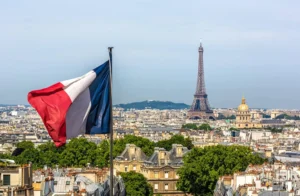
Facts About France
France is the most ethnically diverse country in Europe and one of the oldest countries on the planet. Because of these profound and wide-ranging effects, France has historically led the globe in almost every facet of culture.
Discover The Top 20 Interesting Facts About France With Interesting And Surprising Details
Here are some fun facts about Paris, France, and interesting facts about France on Christmas: Did you know that Paris, often called the "City of Light," is renowned for its stunning architecture, including iconic landmarks like the Eiffel Tower and Notre Dame Cathedral? The city is also famous for its rich cultural heritage, world-class museums like the Louvre, and vibrant arts scene. During Christmas in France, one unique tradition is the Yule log cake, or "bûche de Noël," a delicious dessert families enjoy on Christmas Eve. Now, shifting gears to exciting facts about James Franco: Apart from his successful acting career, James Franco is also a prolific writer, director, and visual artist. He's known for his versatility and has received critical acclaim for his work both in front of and behind the camera.
1. Marrying Dead People Is Allowed In France (This Is One Of The Top 20 Facts About France)
This country allowed rare postmortem marriages. If you can prove the deceased wanted to marry you while alive. Also, the French president must agree. Their last acceptable case was in 2017 when they shot and killed a policeman on Paris's Champs-Elysees and allowed his lover to marry him.
2. France Was The First Nation In The World To Outlaw Supermarket Food Waste
Another interesting one of the top 20 facts about France is a proud French fact. This country was the first to ban shops from discarding unsold food in February 2016. Stores now contribute extra food to charities and food banks. Moreover, supermarkets more significant than 400 square meters risk €75,000 fines or two years in prison if they throw out high-quality food near its best-before date. French retailers cannot burn food to prevent 'dumpster divers' from searching through trash cans. France, bravo!
3. The Croissant Was Invented In Austria's First
Here is another one of the facts about France. Yes, Vienna's 13th-century kipferls. They inspired the famous French pastry. 1839, Austrian military commander August Zang started a Vienna bakery in Paris, according to folklore. Also, locals loved his kipper. Because of its crescent form, French imitators created the croissant. It's history. Imitation is the highest form of flattery.
4. The Baguette
This is one of the most surprising of the top 20 facts about France. Those suspicious French! According to folklore, putting a baguette or loaf of bread on the table upside down brings disaster or death. However, in the Middle Ages, executioners were allowed to shoplift. Bakers gave them an upside-down loaf of bread. If you touched or inverted bread, you had to cross it before eating it to avoid bad luck. Yikes! In conclusion, French people have things that they believe bring bad luck.
5. Snails
One of the fascinating facts about France is its love for snails, known as "escargots." Considered a delicacy in French cuisine, snails are often enjoyed as an appetizer, especially during special occasions or festive meals. Snails are Prepared in various ways, such as baked in garlic butter or served in a parsley sauce and offer a unique and savory culinary experience. This tradition reflects the French appreciation for fine dining and gastronomic delights, showcasing the country's diverse and sophisticated palate.
6. The Oldest Person Alive
This is a remarkable fact, which is one of the facts about France. One hundred twenty-two years and 164 days is the longest verified human lifespan. Born February 21, 1875, in France, Jeanne Louise Calment died August 4, 1997. She saw the Eiffel Tower built, two wars start, and television, cars, and planes evolve. France ranks 20th in life expectancy at 82.
7. Mont Blanc Mountain
Mont Blanc Mountain, towering majestically on the French-Italian border, is the highest peak in the Alps and the tallest mountain in Western Europe. Its snow-capped summit, reaching an elevation of 4,808.7 meters (15,777 feet), is a sight to behold and a magnet for adventurers and mountaineers from around the globe. Mont Blanc, which translates to "White Mountain," offers breathtaking vistas and a myriad of outdoor activities year-round, including skiing, hiking, and climbing. Its rugged beauty and alpine allure make it an integral part of France's natural heritage and a symbol of its rugged yet enchanting landscapes.
8. UNESCO
One fascinating aspect of France is its rich cultural heritage, underscored by its numerous UNESCO World Heritage Sites. These sites, recognized for their outstanding universal value, include iconic landmarks like the Palace of Versailles, the historic city of Lyon, and the stunning Mont-Saint-Michel. France boasts the highest number of UNESCO World Heritage Sites globally, showcasing its profound historical significance, architectural marvels, and natural beauty. This UNESCO designation underscores France's commitment to preserving its cultural and historical legacy for future generations to cherish and admire.
9. Nobel Prize For French Literature
One fascinating aspect of France's cultural heritage is its rich history of producing Nobel Prize winners in literature. The Nobel Prize for French Literature, established in 1901, has honored numerous French authors for their outstanding contributions to world literature. French literary giants such as Albert Camus, Jean-Paul Sartre, and André Gide are among the laureates who have left an indelible mark on the global literary landscape. This prestigious award not only celebrates the literary excellence of French writers but also underscores France's profound influence on the world of letters.
10. Louvre Museum
One of France's most iconic landmarks, the Louvre Museum in Paris, stands as a testament to the country's rich cultural heritage. Originally built as a fortress in the late 12th century, it later transformed into a royal palace before becoming one of the world's largest and most visited art museums. Home to thousands of priceless works of art, including the enigmatic Mona Lisa and the majestic Venus de Milo, the Louvre offers visitors a journey through centuries of human creativity and history. Its majestic architecture, sprawling galleries, and diverse collections make it a must-visit destination for art enthusiasts and history buffs.
11. Tourist Attractions Facts And France Tourism
This beautiful country has Mediterranean beaches, alpine villages, and medieval capitals. Paris is famous for its designer stores and classical art museums. The Louvre and the Eiffel Tower. They also acknowledged its superb cuisine. Lascaux's prehistoric cave carvings proved its long past: Lyon's Roman theatre Versailles' massive Palace. Also, it is hot right now, so brush up on your French. In 2018, 89.3 million tourists visited the country, making it the most visited. Paris, the nation's capital, is the third most visited after Bangkok and London. Get moving!
12. France's National Motto Is Liberty - Equality - Fraternity
One of France's defining facts is its national motto, "Liberty, Equality, Fraternity." This motto encapsulates the core values of the French Republic, representing the ideals of freedom, equality, and solidarity among its citizens. Originating from the French Revolution, these principles have remained central to France's identity and governance. "Liberty" underscores individual freedoms and rights, "Equality" emphasizes the importance of equal treatment and opportunity for all, and "Fraternity" highlights the importance of unity and solidarity among the people. This motto is a guiding principle for French society, reflecting its commitment to democratic ideals and social justice.
13. French Music Must Make Up At Least 35% Of All Music Aired On Private Radio Stations
You might prefer to stick with your playlist rather than turn on the local radio station if you're not a lover of French music. After all, you will hear music in French more than one-third of the time. To defend France against what it viewed as the invasion of Anglo-Saxon culture, the French government first imposed a 40% quote in 1994. However, French MPs decided to lower the quota to 35% in 2016 after a 24-hour disruptive boycott by French radio stations. There is a 15% quota for international music-focused radio stations as well.
14. April Fools in France Could Get You A Fish On Your Back
This Day is on April 1, for practical jokes and hoaxes. "April Fools!" is a common ruse used by pranksters. Moreover, these practical jokes might involve the media. People used to spend a day pranking neighbors. Also, France's current oddity. If you're in the country on April 1, children may try to stick paper fish to your back and call you a Poisson (April Fish). In the 16th century, King Charles XIV of France modified the calendar and insulted those who celebrated the New Year at the end of March. Watch your back!
15. England Used the French Language For 300 Years
One fascinating fact about England is its historical connection to the French language. For over 300 years, from the Norman Conquest of England in 1066 until the end of the Hundred Years' War in 1453, French was spoken by the English aristocracy and nobility. This period of linguistic influence shaped the English language significantly, with around 30% of modern English vocabulary having French origins. This linguistic intermingling illustrates England and France's complex and intertwined history, leaving a lasting impact on both cultures.
16. The Custom Of Donning A White Dress Dates Back To 1499 In France
Most brides imagine wearing a stunning white wedding gown and entering the church. However, up until the nineteenth century, they hardly ever purchased a unique bridal gown, choosing to wear their best attire instead. With the union of Anne of Brittany and Louis XII of France in 1499, the custom was born in France. She started the familiar Western ritual by arriving at the wedding in a white dress. However, the popularity of the white dress didn't take off until 1840, when Queen Victoria wed Prince Albert, and the custom was solidified.
17. Louis XIX Ruled France for 20 Minutes!
One of the intriguing facts about France involves Louis XIX, who holds the record for one of the shortest reigns in history. Louis XIX, also known as Louis-Antoine, ascended to the French throne on August 2, 1830, following the abdication of his father, Charles X. However, his reign was remarkably brief, lasting only 20 minutes. He abdicated the throne later that Day in favor of his nephew, who became King Louis-Philippe I. This unique historical event underscores the volatility of political transitions during that period in France's history.
18. The French Army in 1915 Was The First To Use Camouflage
One fascinating fact about France is that the French Army in 1915 was the first to utilize camouflage techniques during World War I extensively. Recognizing the need to conceal troops and equipment from enemy observation, French artists and military strategists collaborated to develop innovative camouflage patterns and techniques. This pioneering effort marked a significant advancement in military tactics, influencing subsequent developments in camouflage across the globe. France's early adoption of camouflage underscored its commitment to innovation and adaptability in warfare, leaving a lasting impact on military history.
19. Gare Du Nord Is Europe's Busiest Railway Station Is Paris'
Train chat... Paris' Gare du Nord is the busiest train station outside Japan. European and global. Also, over 214 million utilize it annually. Moreover, the initial station, built in 1846, was too small. They were reconstructed in 1889. Between 1930 and 1960, they added. The station needs more construction. That's for the Paris 2024 Summer Olympics. This will allow 200,000 extra passengers each Day. Avoid rush-hour!
20. Cheese Production
Here Is the last French fact: French people love cheese. Therefore, the dairy-eating nation produced about 1.7 million tonnes of cow's milk cheese in 2018. Also, they sampled 1,600 French cheeses in eight categories. Also, thankfully, the French don't hoard. Cheese exports exceeded 679,000 tonnes. Also, they sold countrywide in 2018, compared to almost 895,000 tonnes on the French retail market in 2017. Many thanks! This is a fantastic fact about France.
Conclusion
In conclusion, France is rich in history, culture, and innovation, offering many fascinating facts that captivate the imagination. France continues to enthrall visitors and residents alike, from its iconic landmarks like the Eiffel Tower and the Louvre Museum to its renowned culinary delights and contributions to art and literature. Its diverse landscapes, from charming countryside villages to bustling metropolitan cities, provide a backdrop for endless exploration and discovery. Whether it's the allure of Parisian boulevards, the allure of French wine regions, or the intrigue of historical milestones, France never fails to enchant with its timeless charm and enduring legacy.
French snails are delicious, terroir-driven, and nutritious.
- It is the Most-Visited Country in the World.
- This country Has the Largest Art Museum.
- The French Eat thousands of Tons of Snails Each Year.
- It Produces Over 1,500 Types of Cheese.
- Supermarkets in France are not allowed to Throw Away Food.
- France Had a King—For 20 Minutes
French people love their culture and art, which is displayed in museums like the Louvre. French food—from macaroons to champagne—is famous worldwide. Let's examine France's cultural symbols.
French people are sometimes stereotyped as unpleasant and impolite, yet most are nice and will hold the door for you or say "S'il vous plait Monsieur" and "Je vous en prie Madame".
What Parisians eat, where they travel, the conversations they have, and how they spend their time all bring them joy