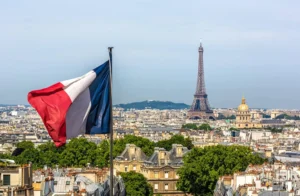
France
Explore the wonders of France, from its ancient history to its modern-day attractions. Learn about its vibrant culture, rich cuisine, and stunning landscapes. Plan your trip with our interactive map and discover the magic of France!

Introduction to France: Location, Size, and Features
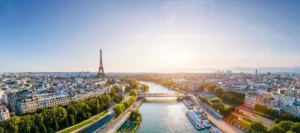
France is a country located in Western Europe. It borders Belgium, Luxembourg, Germany, Switzerland, Italy, Spain, and Andorra. With a total area of approximately 551,695 square kilometers. Moreover, it is the largest country in the European Union and the third-largest in Europe. France has a diverse landscape featuring coastal plains, mountains, and river valleys. Its capital and largest city is Paris, known for its iconic landmarks like the Eiffel Tower and Notre-Dame Cathedral. In addition, it has a cultural and artistic heritage. With a population of over 67 million people, France is a multicultural society with a rich history, culture, and contributions to the world.
1- A Brief History of France:
France has a long and complex history that dates back to ancient times. The Gauls, a Celtic group, were the first inhabitants of France. Followed by the Romans, who conquered the region in the 1st century BC. The Middle Ages saw the rise of feudalism and the establishment of the Kingdom of France. Moreover, it was ruled by monarchs like Louis XIV and Louis XVI. The French Revolution in 1789 profoundly impacted the country and Europe. That led to the establishment of the First French Republic and the execution of King Louis XVI.
2- Culture of France:
French culture is renowned for its richness and diversity, influenced by centuries of artistic expression, literary achievements, and philosophical thought. Some of the most celebrated French artists include painters like Leonardo da Vinci, Michelangelo, and Claude Monet. There were also writers like Victor Hugo, Gustave Flaubert, and Jean-Paul Sartre. French cuisine is equally esteemed, with its exquisite sauces, fine wines, and haute couture. From the elegant boulevards of Paris to the charming villages of Provence, France is a haven for art lovers, food connoisseurs, and those seeking a taste of la dolce vita. French culture is also celebrated through numerous festivals and events, such as the Cannes Film Festival, the Nice Carnival, and the Jazz à Juan Music Festival.
3- Landmarks and attractions:
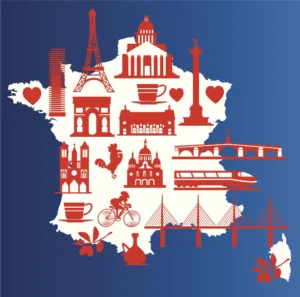
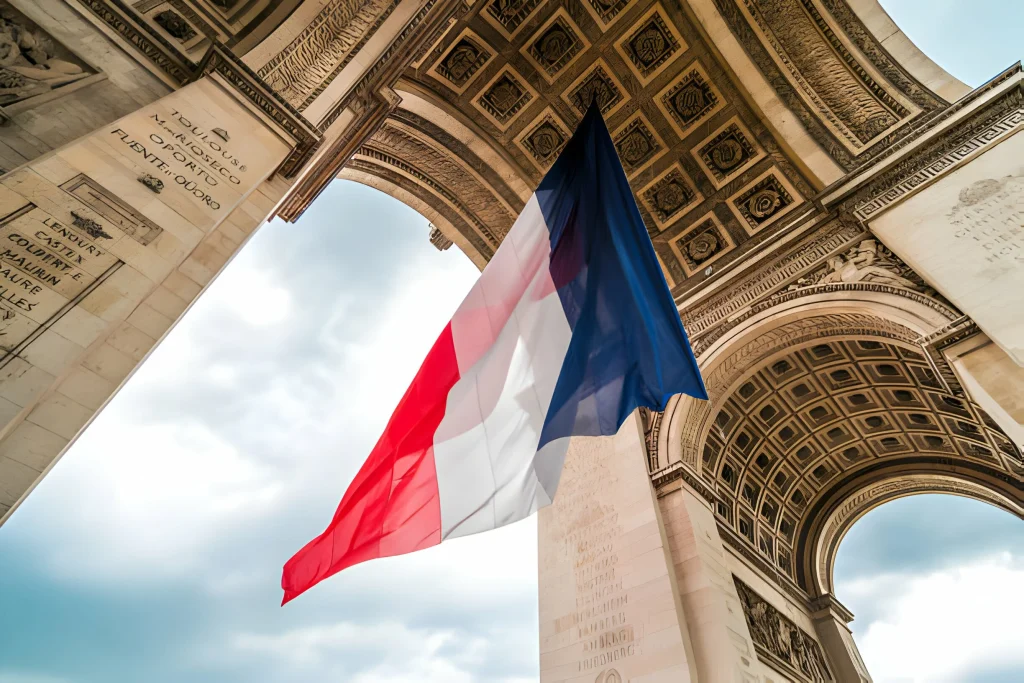
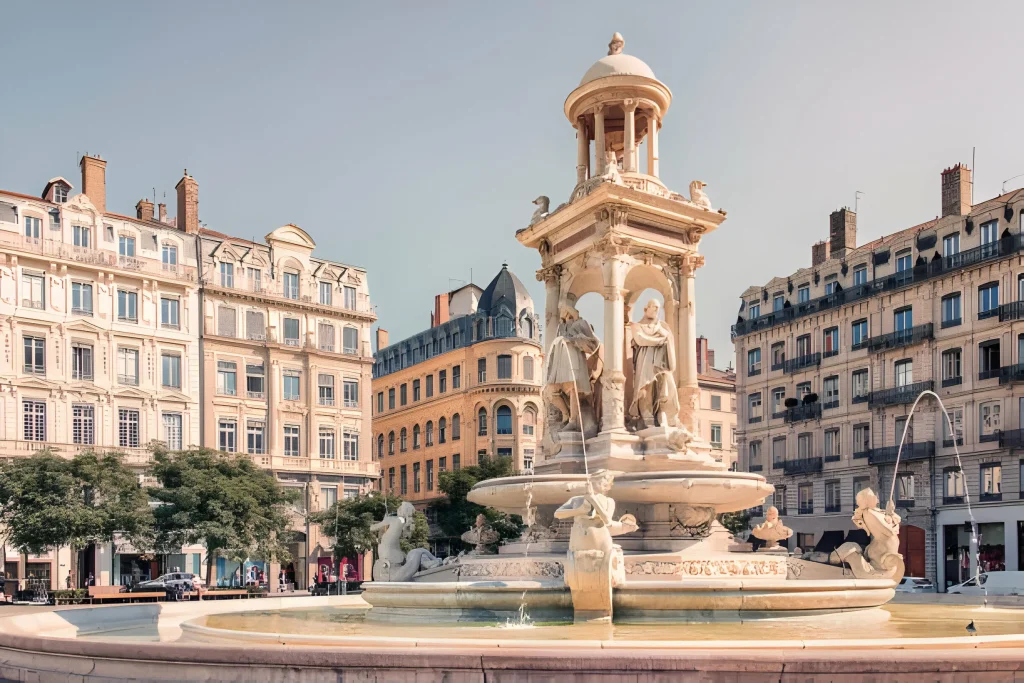
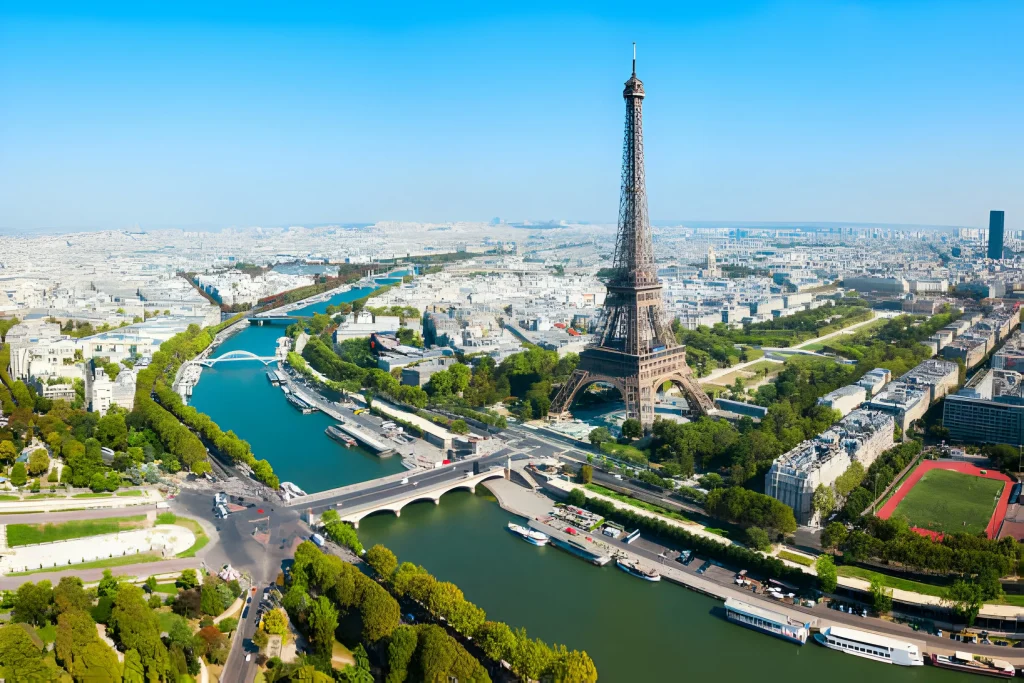
France is home to some of the most iconic landmarks in the world. Many of which are located in the heart of Paris. The Eiffel Tower, built for the 1889 World Fair, is an engineering marvel and a symbol of French ingenuity. Notre-Dame Cathedral, a masterpiece of Gothic architecture, is one of the most visited monuments in the world. The Louvre Museum houses an impressive collection of art and artifacts, including the Mona Lisa, Venus de Milo, and the Winged Victory of Samothrace. Other notable landmarks include the Arc de Triomphe, the Champs-Élysées, and the Palace of Versailles, the former residence of Louis XIV. Beyond Paris, France boasts a wealth of natural beauty, from the snow-capped Alps and the sun-drenched Mediterranean coast to the rolling hills of Tuscany and the rugged coastline of Brittany.
4- Language and Education:
French is the official language of France, a Romance language spoken by millions of people worldwide. It is known for its melodic sound, complex grammar, and rich vocabulary. French is an essential language in international diplomacy, business, and education. The official languages of several international organizations, including the United Nations, the European Union, and the International Olympic Committee. France greatly emphasizes education, with a highly centralized system that values academic excellence and intellectual rigor. The country is home to some of the world's most prestigious universities. Such as the Sorbonne, the École Normale Supérieure, and the École Polytechnique have produced countless Nobel laureates, scientists, and thinkers.

5- Government and Economy:
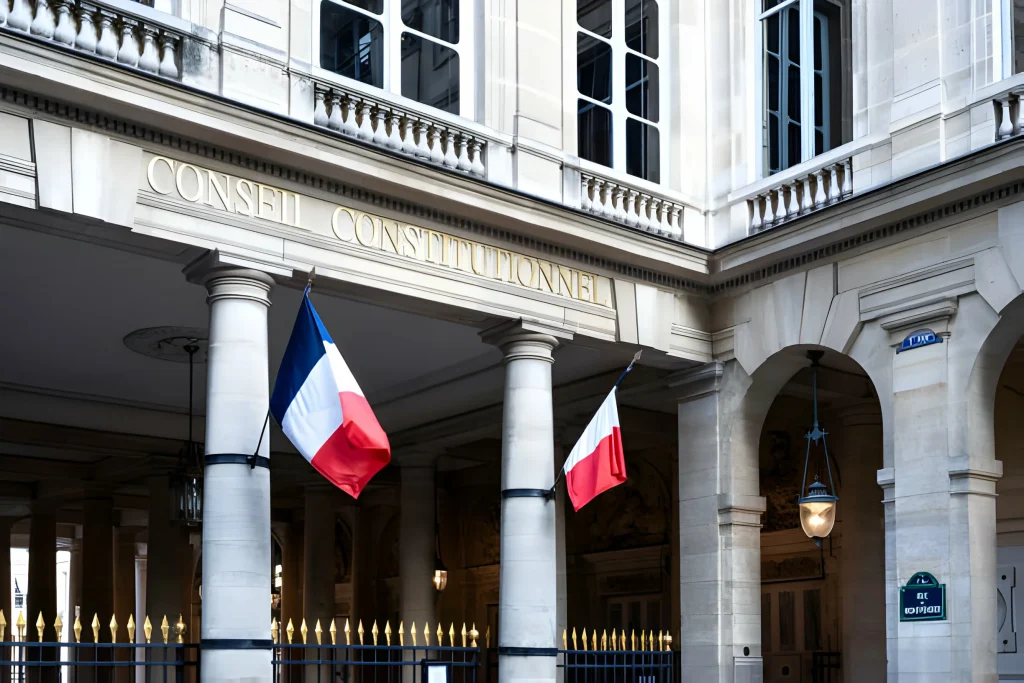
France is a semi-presidential constitutional republic. The president serves as head of state, and the prime minister is the head of government. The president is elected by popular vote for a five-year term. In addition, the prime minister is appointed by the president and approved by the National Assembly. France's lower house of parliament. The government is responsible for implementing policies and laws, while the parliament can pass legislation and scrutinize government actions.
Map of France:
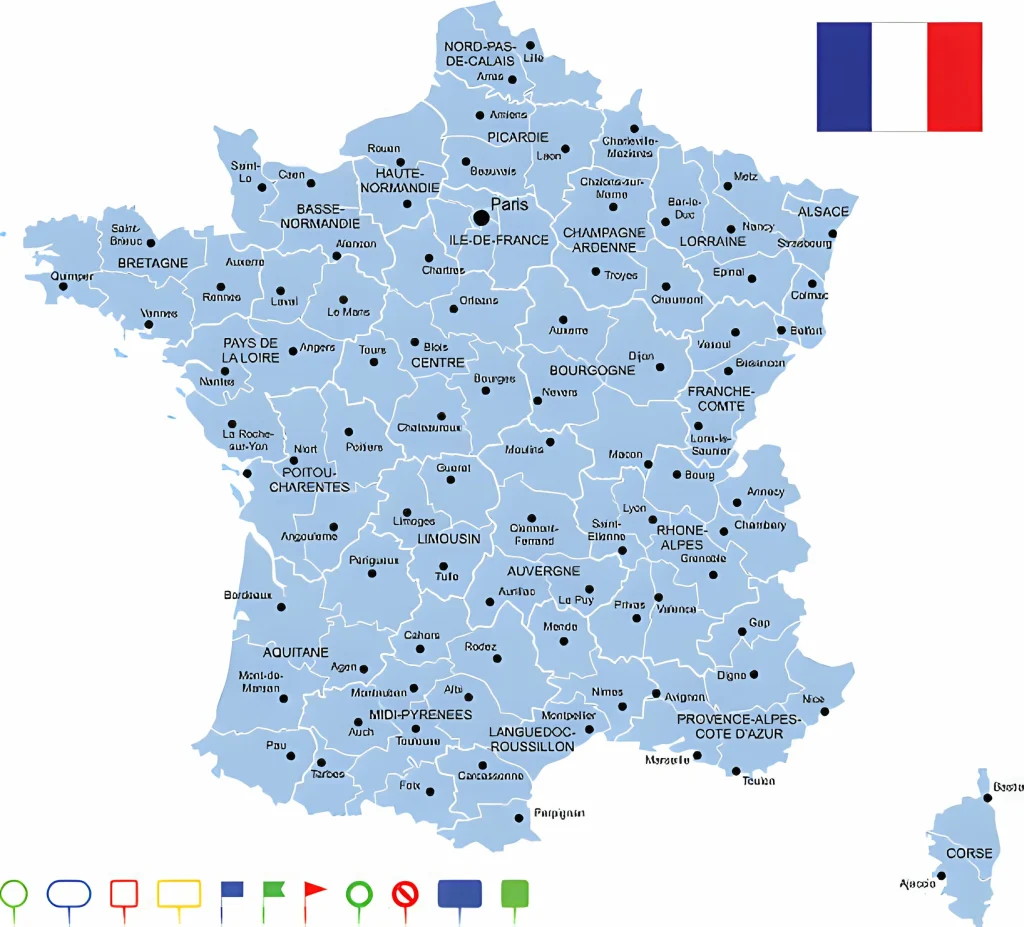
The map of France is a visual representation of the country's geography and administrative divisions. It shows the location of major cities such as Paris, Lyon, and Marseille and the borders with neighbouring countries like Belgium, Germany, Italy, and Spain. The map also highlights the different regions of France, including Normandy, Brittany, the Loire Valley, and Provence, each with its unique culture and history. The map can also help travellers plan their trip by identifying popular tourist destinations, such as the French Alps, the Pyrenees mountains, and the beautiful coastlines along the Mediterranean Sea and the Atlantic Ocean. Whether you're looking to explore the charming villages of rural France or experience the vibrant nightlife of its cities, the map of France is an essential tool for any traveller.
Conclusion
In conclusion, France has a rich history, a diverse culture, and a strong economy. Despite various challenges, the country has shown resilience and adaptability and plays a vital role in regional and global affairs. As a member of the European Union and a leading voice in international organizations, France remains a key player in shaping the future of Europe and the world.
The croissant and the baguette are the most famous foods in France.
The official language of France is French.
The currency used in France is the Euro.
Some famous French landmarks include the Eiffel Tower, Notre Dame Cathedral, the Louvre Museum, and the Palace of Versailles.
Some famous French traditions include Bastille Day (July 14), Christmas, and New Year's Eve.
Yes, tap water is safe to drink in France.
Credit cards, notably Visa and Mastercard, are widely accepted in France. However, some smaller establishments may only accept cash payments.